

The Allure of Gambling: Why People Bet
The psychology behind gambling is deeply rooted in human behavior and emotional responses. Many individuals are drawn to the thrill and excitement of betting, often fueled by the anticipation of winning. This expectation can activate the brain’s reward systems, releasing dopamine – a neurotransmitter associated with pleasure. This rush can create a cycle where players continuously seek that high, leading to repeated visits to casinos or real online casino betting platforms.
Furthermore, the concept of risk and reward plays a significant role in why people gamble. Many are enticed by the idea that a modest investment could lead to substantial financial gain. This potential for a life-changing payout can overshadow the risks involved, causing players to engage in bets without fully considering the odds.
The Role of Cognitive Biases in Betting Decisions
Cognitive biases significantly influence gambling behavior. For instance, the “gambler’s fallacy” suggests that people believe past outcomes in games of chance impact future results. This belief can lead players to make decisions based on previous results rather than the actual probability of winning or losing. As a result, they may bet more impulsively, convinced that a win is “due.”
Another cognitive bias, known as “confirmation bias,” causes gamblers to focus only on information that supports their betting decisions while ignoring evidence to the contrary. This selective perception can further entrench their belief in a winning streak or a losing streak, facilitating unhealthy betting habits and potentially leading to gambling addiction.
Emotional Factors: The Influence of Mood and Environment
Emotions are a critical driver of gambling behavior. Players often use gambling as a means to escape from stress, anxiety, or boredom. The casino environment itself is designed to stimulate excitement and engagement, with bright lights, loud sounds, and a sense of community among players. This immersive experience can exacerbate emotional responses, leading individuals to make rash betting decisions they might not consider in calmer settings.
Moreover, mood can significantly influence a person’s approach to gambling. Research has shown that individuals in a positive mood are more likely to take risks, including higher bets, while those feeling down may gamble to seek solace, often leading to reckless choices. Thus, the interplay of emotions and the casino atmosphere can create a potent mix that affects betting outcomes.
Risk Management: Understanding Betting Strategies
Effective risk management strategies can help bettors make more informed decisions. Many players do not fully grasp basic betting principles, such as bankroll management or the importance of setting limits. Without a clear strategy in place, individuals may find themselves chasing losses or increasing their bets in hopes of a win, which can ultimately lead to greater losses.
Moreover, understanding the odds of various games is crucial for informed betting. Many players place bets without comprehending the true likelihood of winning, often relying on misconceptions or emotional impulses. Educating oneself about the mechanics of each game can lead to more rational decision-making and potentially better outcomes.
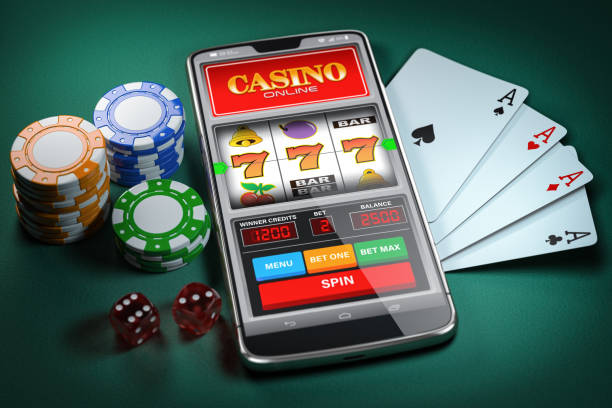
Casino Access and Responsible Gaming
While the allure of gambling can be irresistible, it’s essential to approach it responsibly. A secure platform for judicial selection information can serve as a resource for those seeking guidance on responsible gaming practices. Such platforms can provide insights into recognizing problem gambling behaviors and finding appropriate support.
Additionally, ensuring that you access reputable and secure gambling sites can enhance your overall experience while minimizing risk. Understanding the psychology behind your betting behavior and its potential consequences is vital in maintaining a healthy relationship with gambling, ultimately leading to a safer and more enjoyable experience.